The ReefLine: Miami Beach Launches a Groundbreaking Underwater Sculpture Park and Snorkel Trail
This October, Miami Beach will unveil one of the most ambitious public art and environmental projects in recent memory. The ReefLine, a seven-mile underwater sculpture park, snorkel trail, and hybrid artificial reef, is set to launch just offshore, redefining the relationship between contemporary art, climate resilience, and marine conservation. Conceived as both a cultural landmark and a living ecological system, The ReefLine positions Miami at the forefront of a new global movement in which art is not only experienced visually but also performs a vital environmental role.
Stretching parallel to Miami Beach’s iconic shoreline, The ReefLine will be accessible to swimmers, snorkelers, divers, and boaters alike, offering a submerged cultural experience unlike anything currently found in the United States. Designed to protect vulnerable coastlines while restoring marine habitats, the project addresses the urgent challenges facing coastal cities worldwide—rising sea levels, coral reef degradation, and climate change- through creativity, collaboration, and innovation.
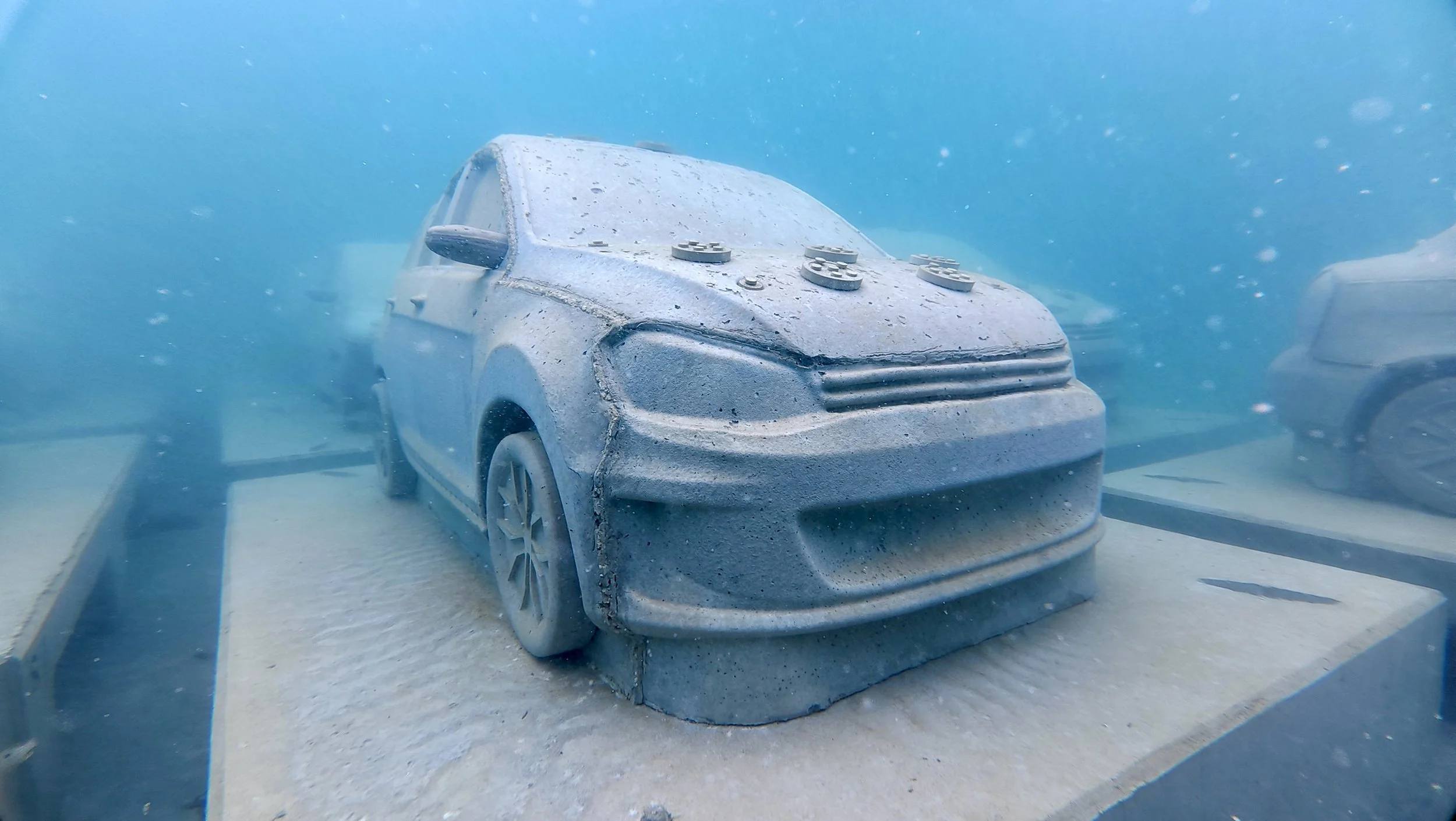
Photography: Brittany Weber (Top) / Christopher Uriarte (Bottom)
A New Model for Public Art Beneath the Surface
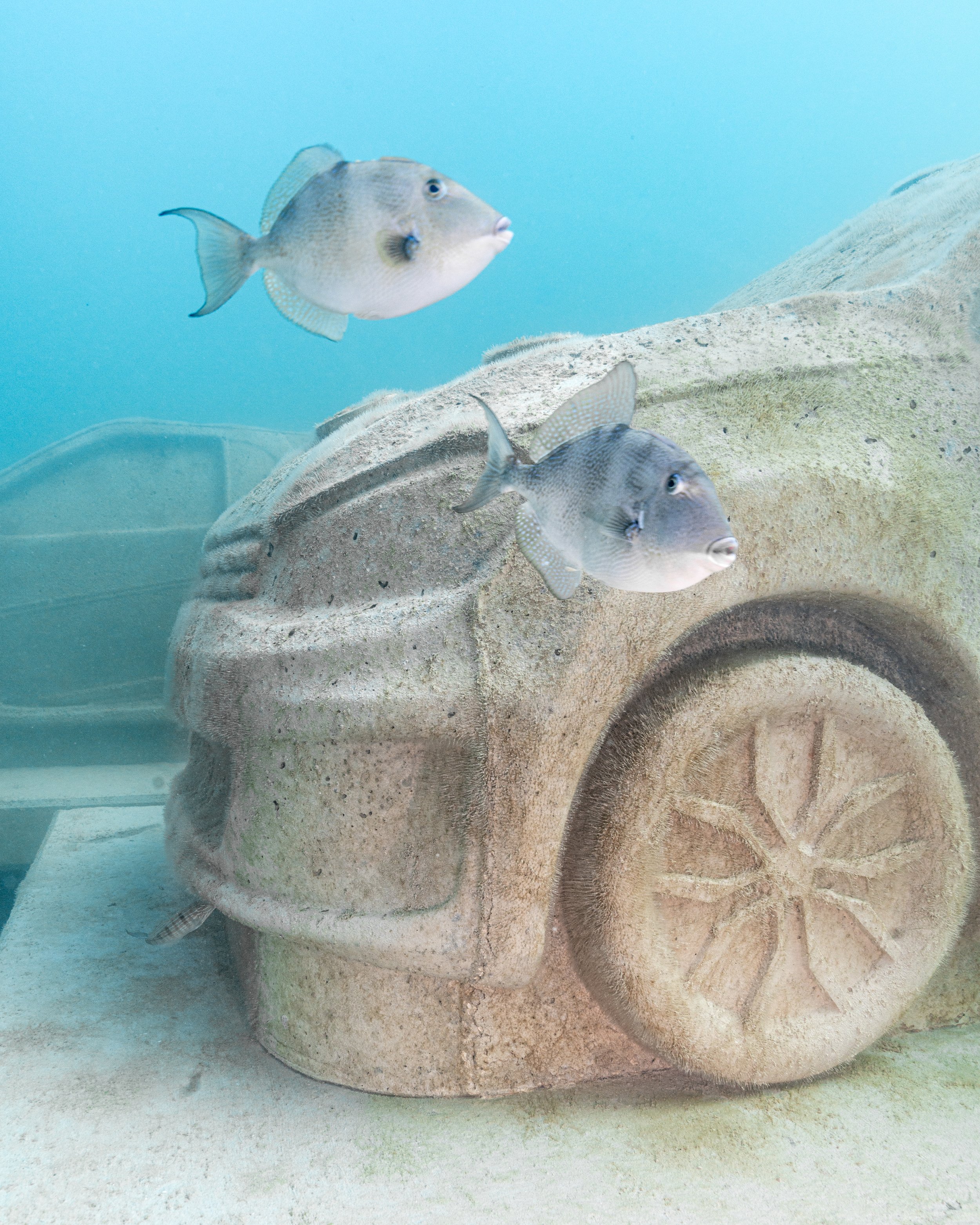
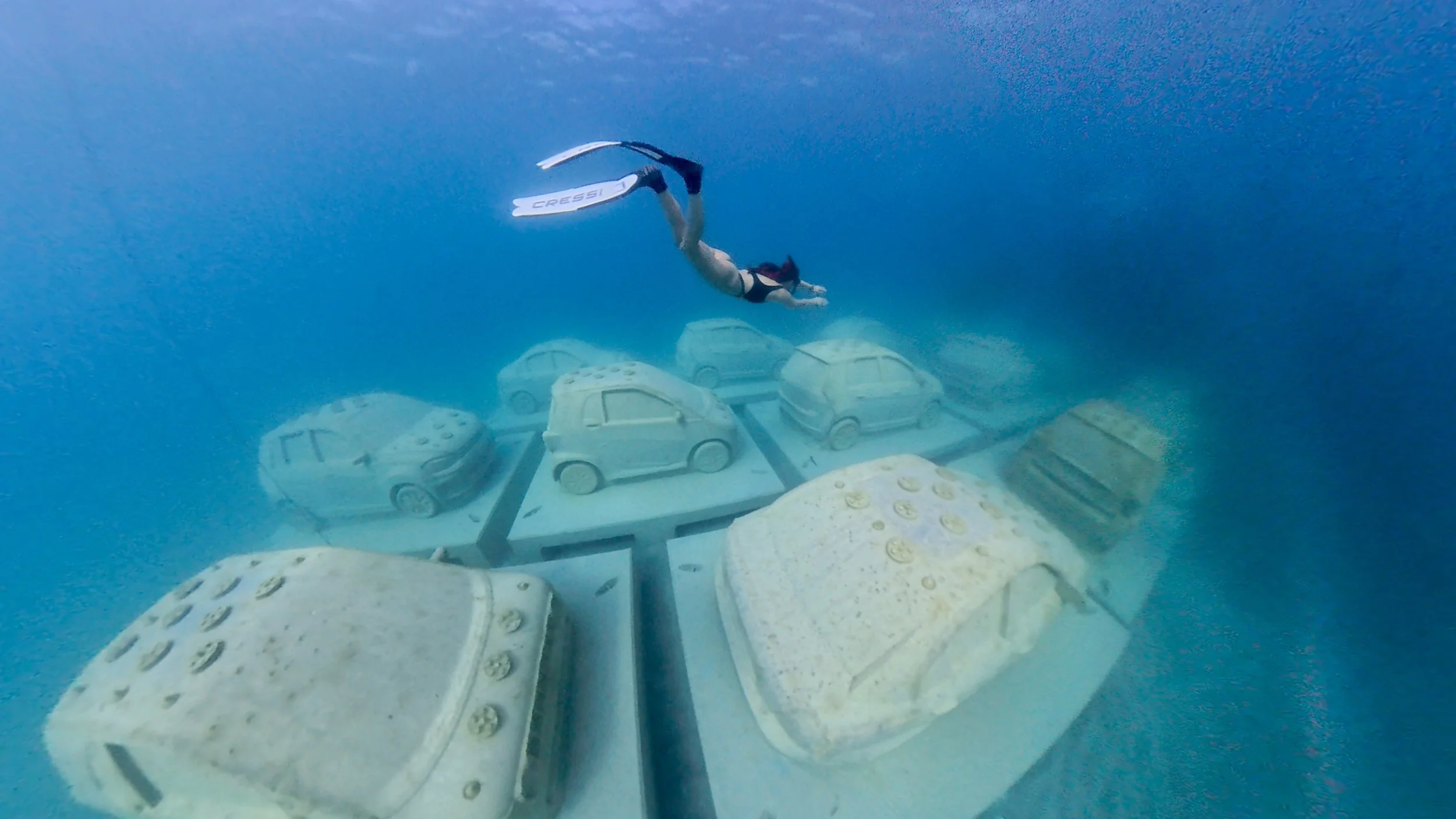
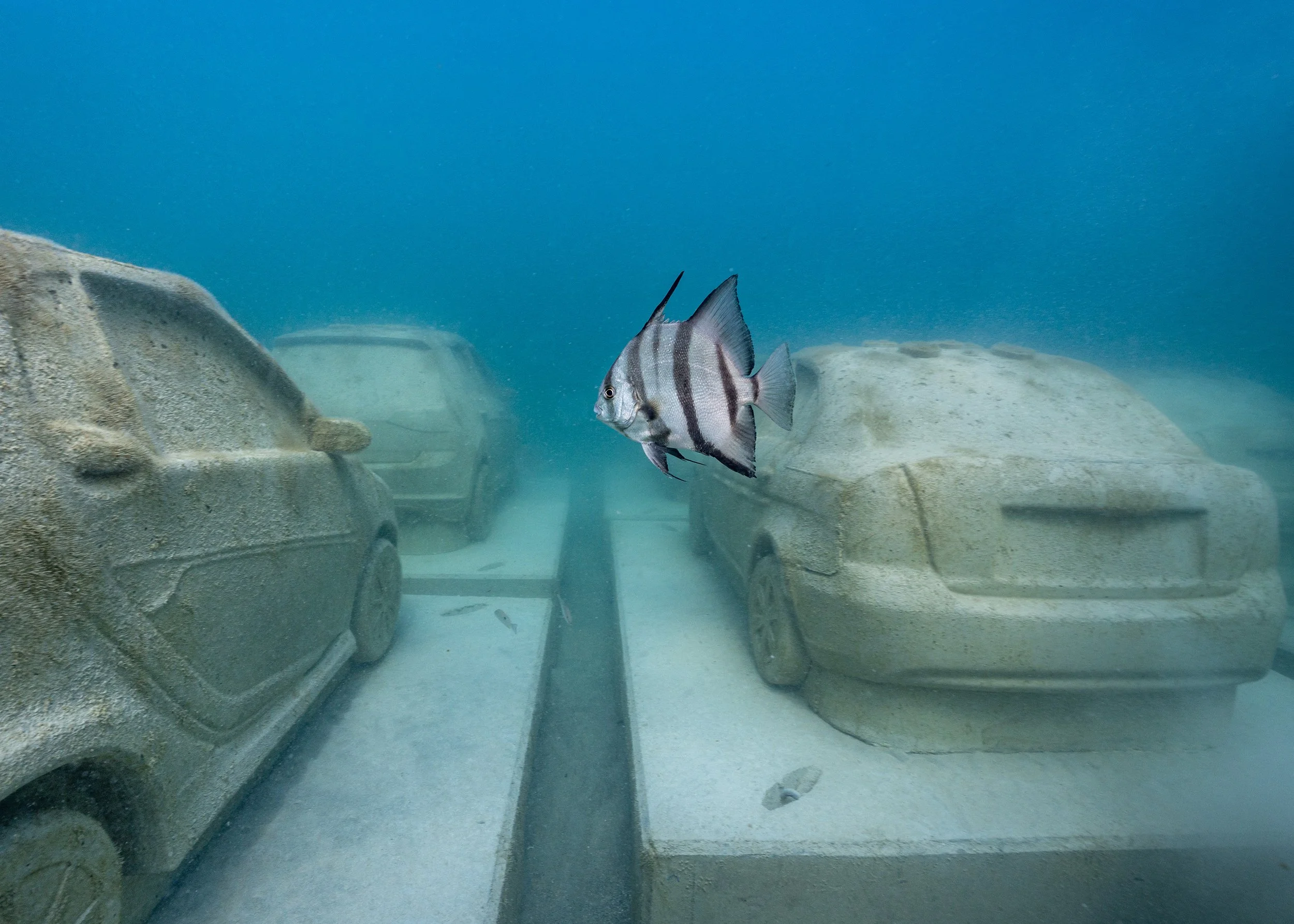
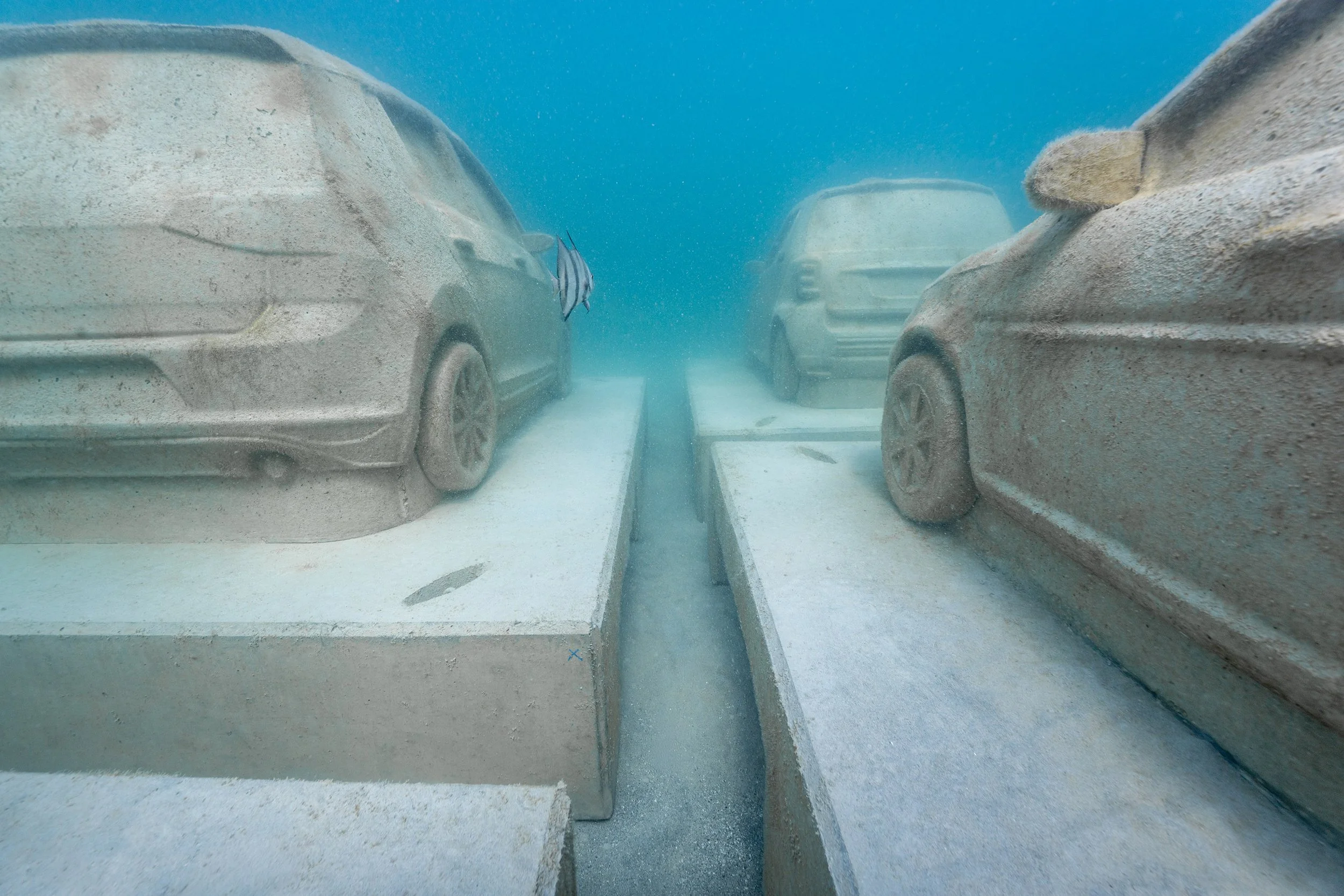
At its core, The ReefLine challenges traditional definitions of public art. Rather than occupying plazas, parks, or gallery walls, this monumental project exists beneath the ocean’s surface, transforming the seascape into an immersive open-air museum. Sculptures will be installed in shallow waters, allowing safe access by snorkelers, while deeper sections will offer experienced divers expansive underwater encounters.
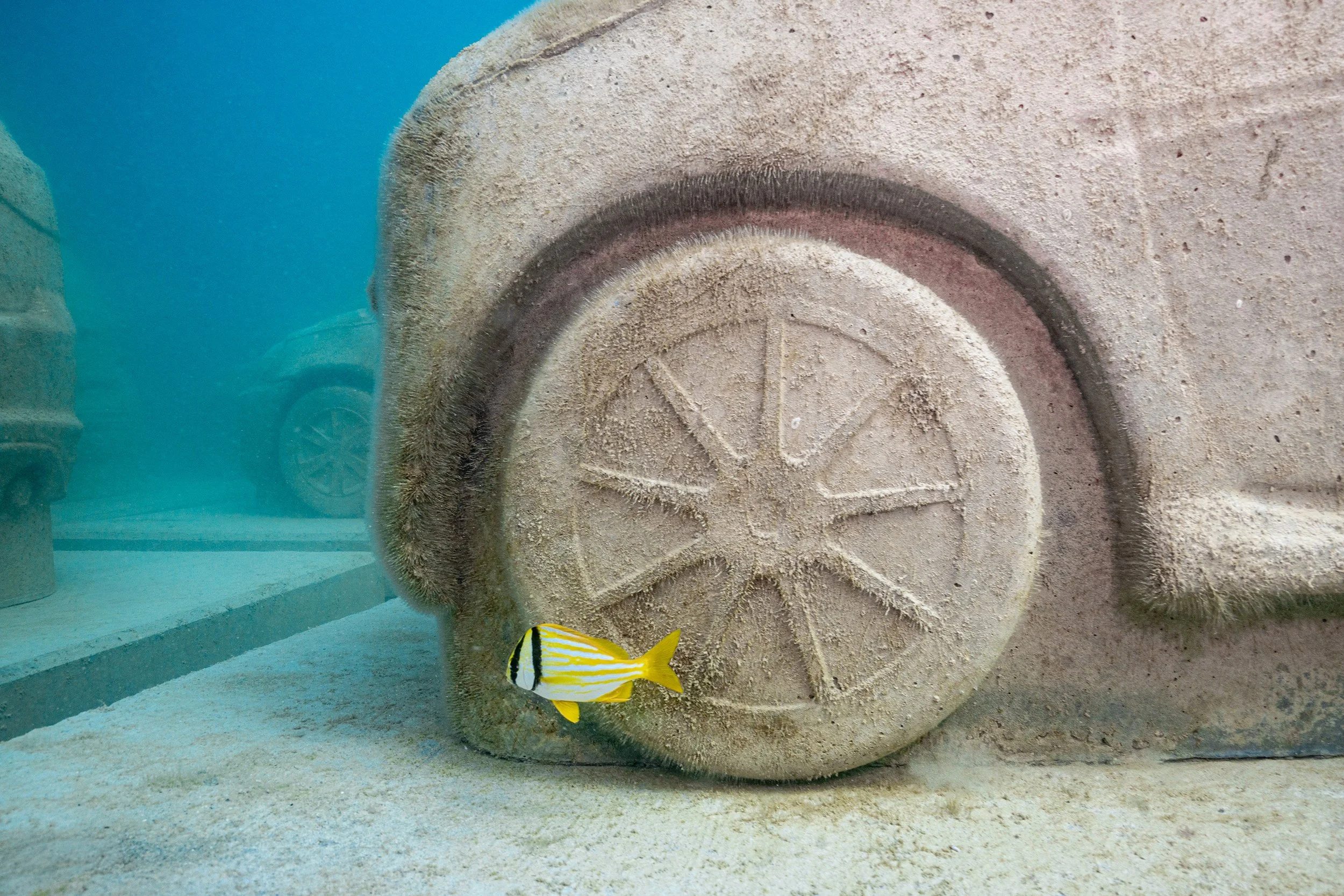
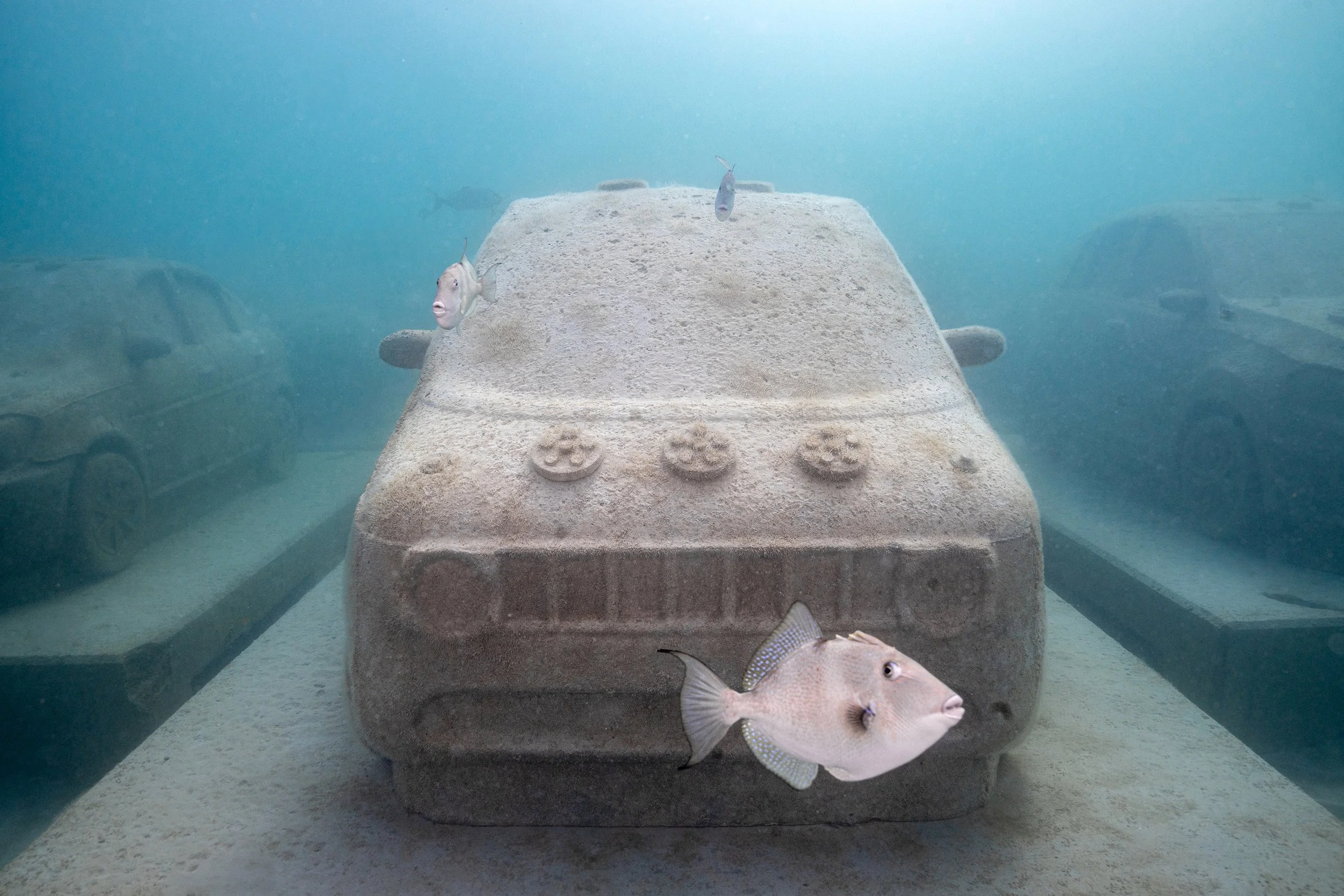
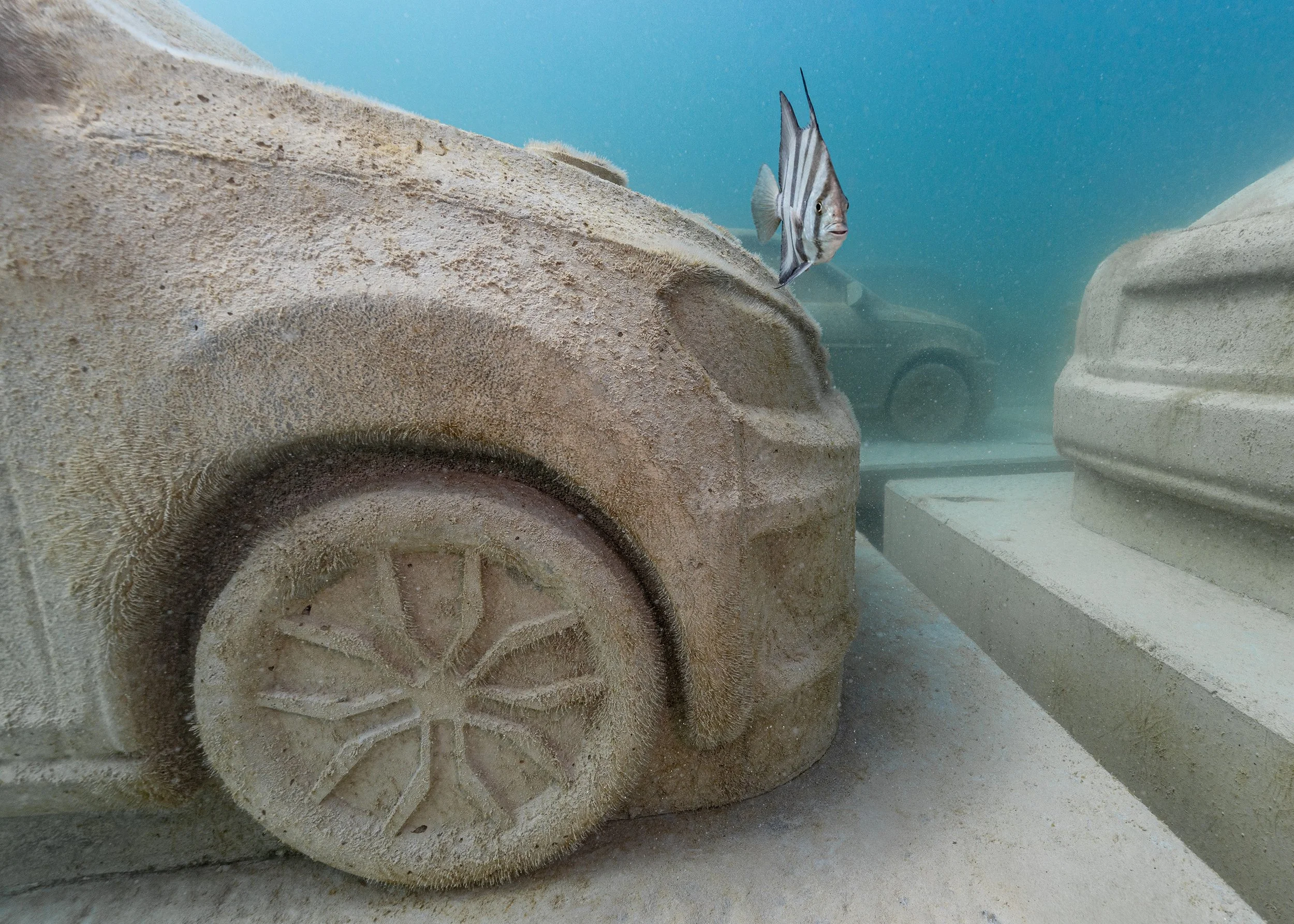
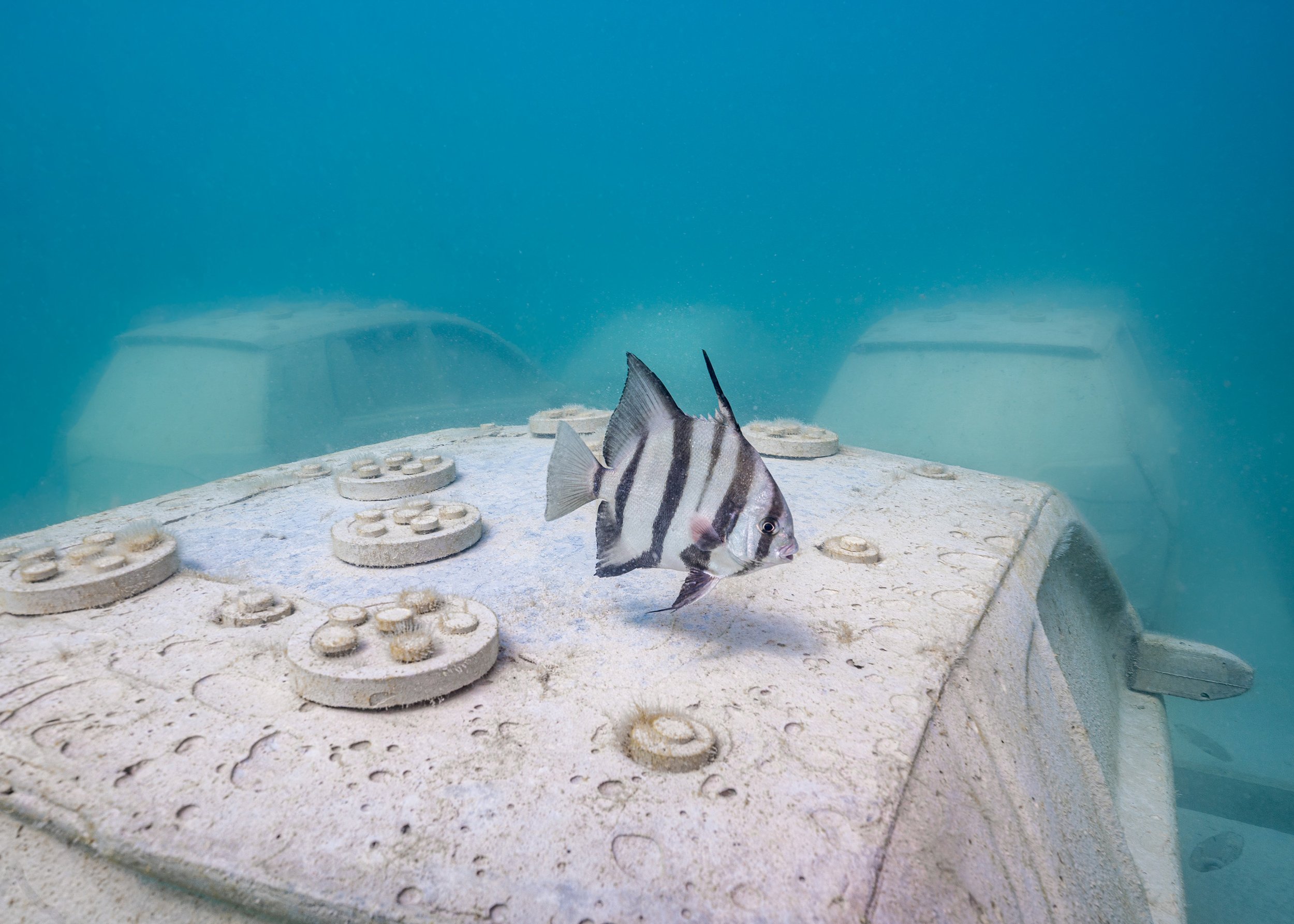
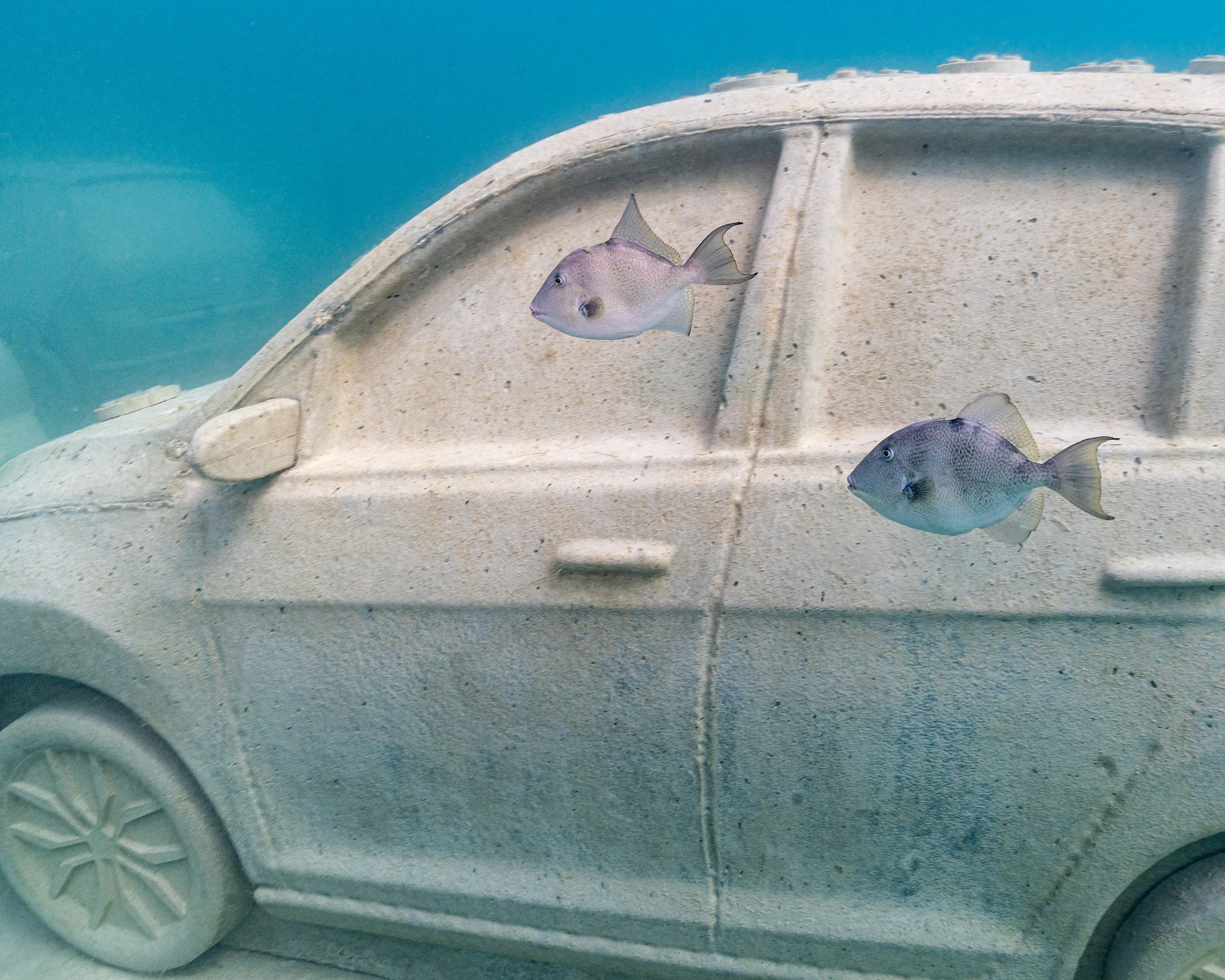
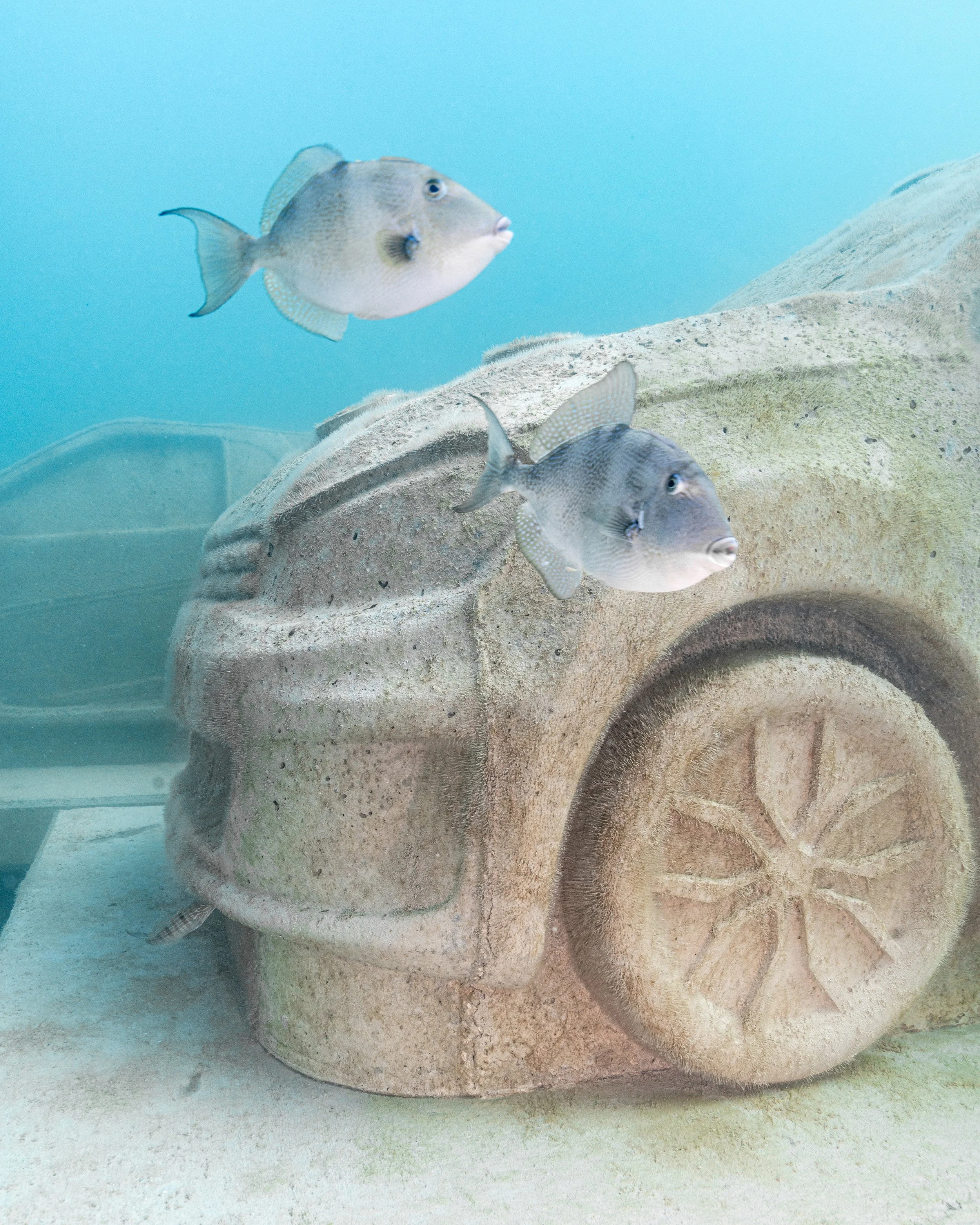
The works themselves are designed with dual intent. Each sculptural intervention functions as a habitat-building structure, encouraging coral growth and marine biodiversity while simultaneously offering powerful artistic narratives. Over time, the sculptures will evolve, shaped by ocean currents, coral colonization, and aquatic life, ensuring that no visit to The ReefLine is ever the same.
This living, changing quality places The ReefLine at the intersection of art, architecture, and ecology, marking a decisive shift away from static monuments toward responsive, regenerative design.
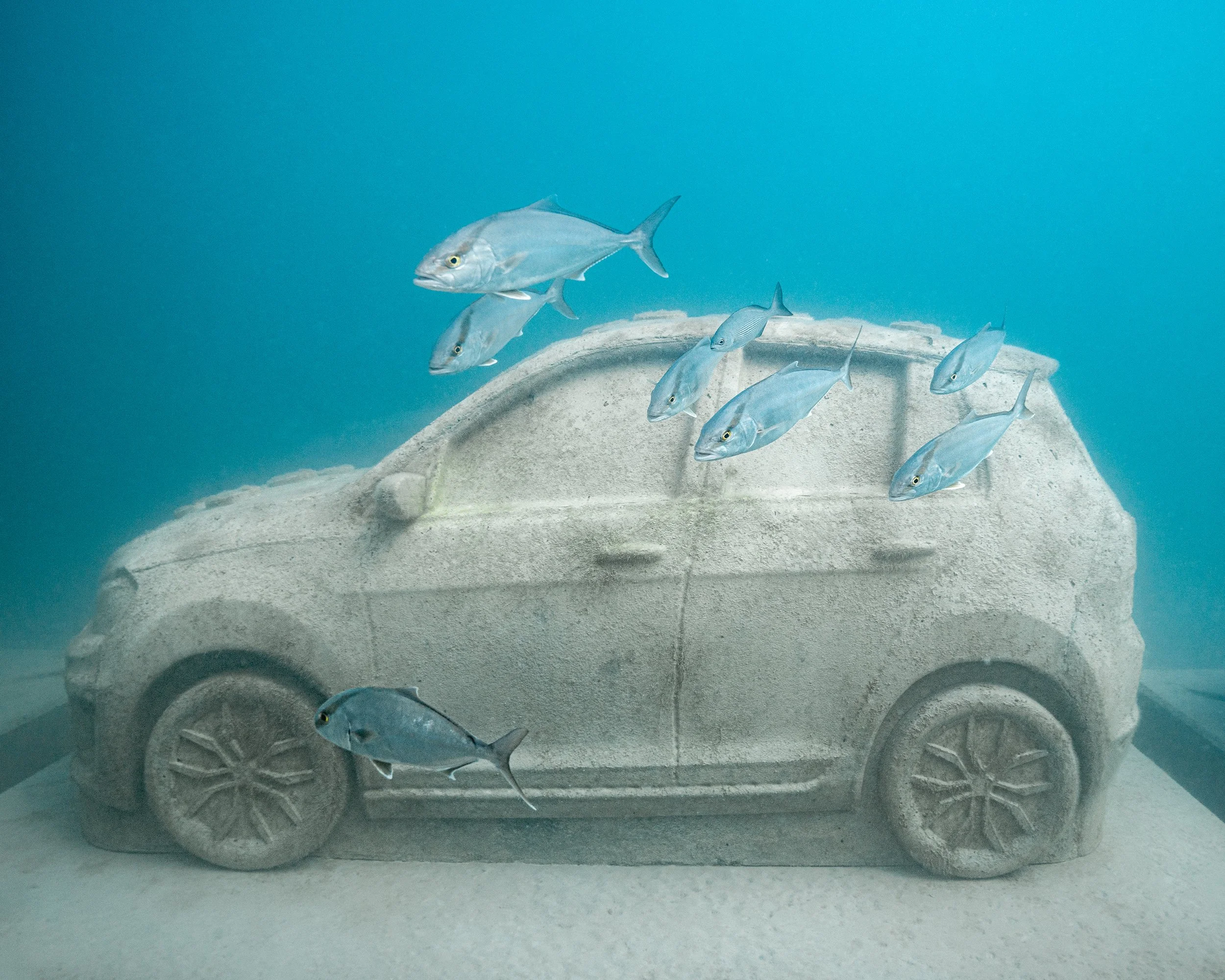
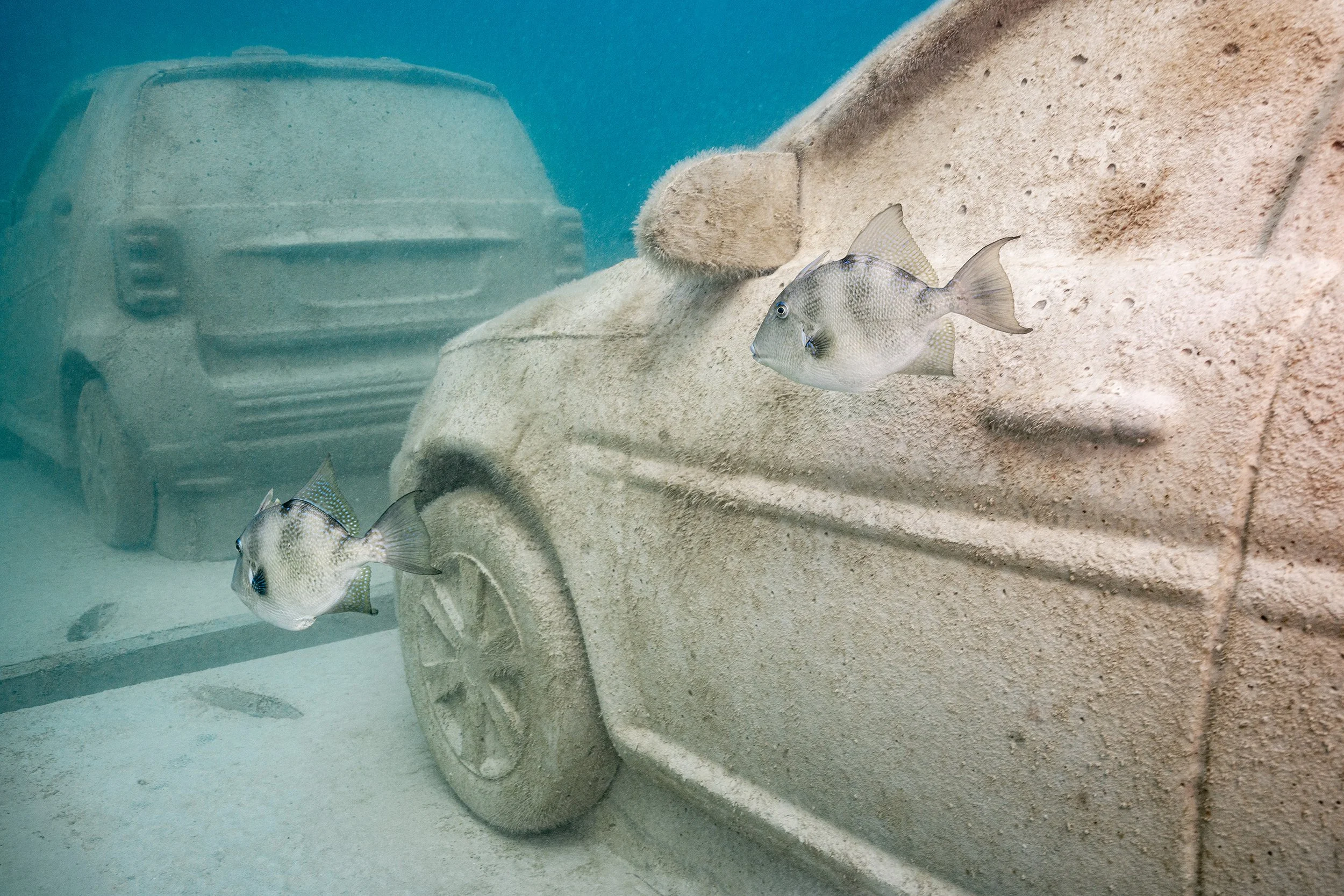
Photography: Nola Schoder
Where Art Meets Climate Resilience
Miami’s geographic beauty is inseparable from its environmental vulnerability. As one of the world’s most climate-exposed cities, Miami Beach faces increasing threats from coastal erosion, storm surges, and coral reef loss. The ReefLine directly addresses these challenges by serving as a hybrid reef system engineered to dissipate wave energy and reduce shoreline erosion while supporting marine ecosystems.
Artificial reef structures have long been used for environmental protection, but The ReefLine elevates this approach through artistic collaboration and public engagement. By merging sculptural form with marine science, the project demonstrates how creative disciplines can contribute tangible solutions to climate adaptation.
This emphasis on resilience makes The ReefLine not just an artwork but an infrastructure project with cultural significance—one that reimagines how cities can defend themselves against climate change while enriching public life.
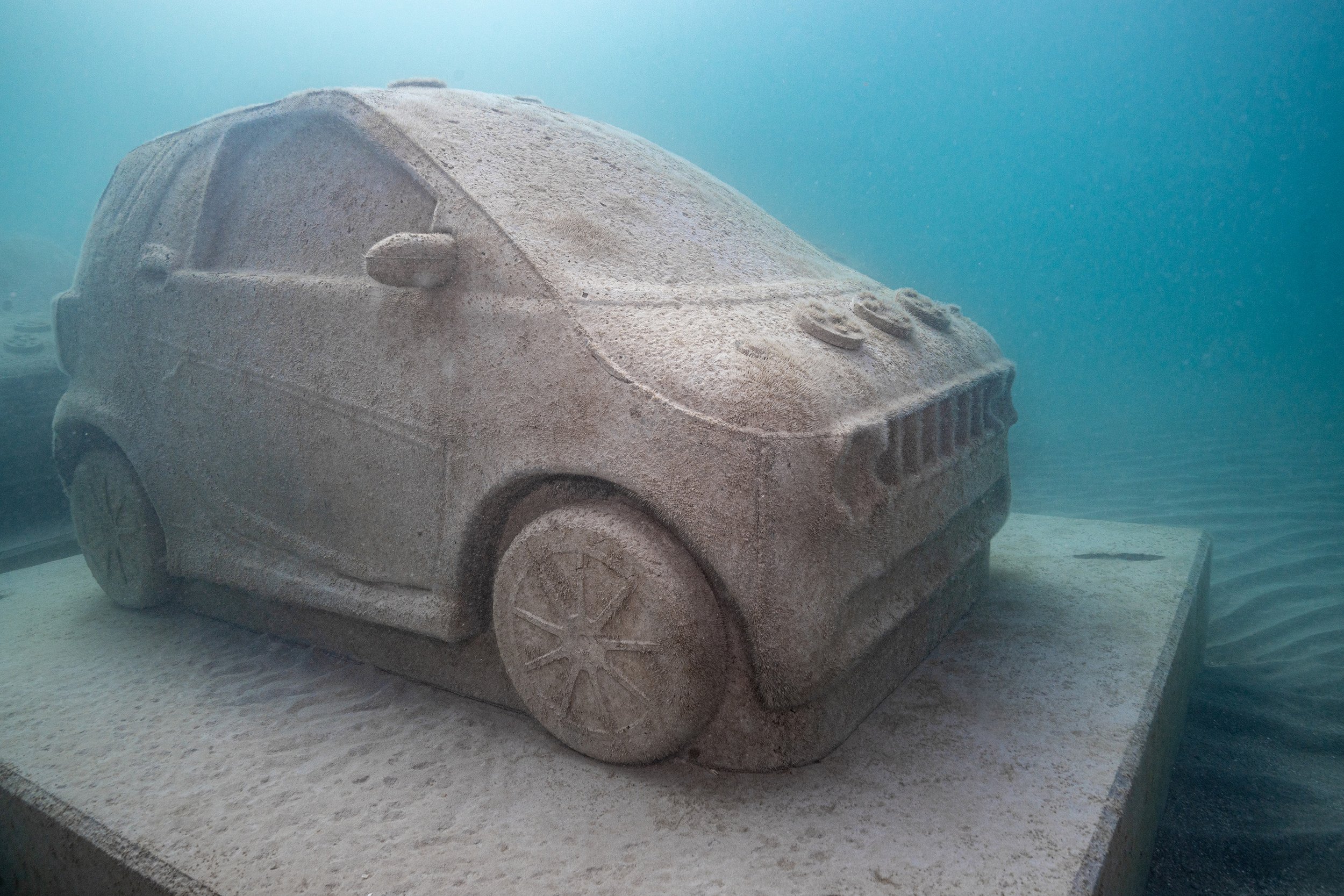
Photography: Nola Schoder
An International Roster of Artists and Designers
A defining feature of The ReefLine is its international scope. The project brings together leading artists, architects, and designers from around the world, each contributing site-specific works that respond to both the marine environment and Miami’s cultural identity.
The inaugural phase of the project includes contributions from renowned creative voices whose practices span sculpture, architecture, and environmental design. Their works explore themes of fragility, permanence, migration, and coexistence, offering poetic reflections on humanity’s relationship with the ocean.
Crucially, all artworks are fabricated using environmentally responsible materials developed specifically for marine deployment. These materials encourage coral attachment and growth, ensuring the sculptures actively contribute to reef regeneration rather than disrupting it.

Photography: Nola Schoder
A Snorkel Trail Designed for Discovery
Unlike traditional underwater attractions that require advanced diving skills, The ReefLine has been carefully designed to prioritize accessibility. A significant portion of the installation sits within snorkel-friendly depths, creating a clearly defined underwater trail that allows visitors to move between sculptural sites at their own pace.
This snorkel trail transforms the ocean into a cultural corridor, inviting participants to engage with art in a fully embodied way; floating, breathing, and moving through space while surrounded by marine life. It is an experience that collapses the boundary between observer and environment, fostering a deeper appreciation for the fragile ecosystems beneath the surface.
For Miami Beach, this represents a new kind of cultural tourism: one rooted in education, sustainability, and meaningful interaction rather than spectacle alone.
Photography: Nola Schoder
Education, Research, and Community Engagement
Beyond its visual impact, The ReefLine is deeply invested in education and research. The project collaborates closely with marine biologists, climate scientists, and academic institutions to monitor coral growth, biodiversity levels, and coastal protection outcomes over time.
Data collected from the reef will contribute to broader research on coral restoration and climate adaptation, positioning The ReefLine as a valuable scientific resource and cultural asset.
Community engagement is also central to the project’s mission. Educational programs, guided snorkel tours, and partnerships with local schools aim to foster environmental stewardship among residents and visitors alike. By making climate science visible and experiential, The ReefLine encourages a sense of collective responsibility for ocean conservation.
Photography: Nola Schoder
Redefining Miami Beach as a Cultural Destination
Miami Beach has long been associated with art and design through events such as Art Basel Miami Beach and Miami Art Week. The ReefLine extends this identity beyond seasonal fairs, embedding culture permanently into the city’s natural landscape.
As a year-round attraction, the underwater sculpture park strengthens Miami Beach’s position as a global cultural destination while offering a quieter, more contemplative alternative to the commercial art world. It invites visitors to slow down, look closely, and consider the interconnectedness of art, environment, and community.
In doing so, The ReefLine aligns with a growing international shift toward purpose-driven cultural projects, initiatives that prioritize long-term impact over temporary spectacle.
Photography: Nola Schoder
A Blueprint for Coastal Cities Worldwide
While firmly rooted in Miami, The ReefLine’s influence is global. As coastal cities worldwide grapple with climate threats, the project offers a compelling blueprint for how art and design can contribute to environmental resilience.
By integrating public art into climate infrastructure, The ReefLine demonstrates that sustainability need not come at the expense of beauty or creativity. Instead, it shows how the two can reinforce one another, creating spaces that are both functional and inspiring.
The project’s scale, ambition, and interdisciplinary approach position it as a model likely to be studied and replicated in other vulnerable coastal regions in the coming years.
Looking Ahead to the October Launch
With its official launch scheduled for October, anticipation around The ReefLine continues to build. As the first phase opens to the public, visitors will have the opportunity to experience a new frontier of cultural engagement, one that exists beneath the waves and evolves with time.
For Miami Beach, The ReefLine represents more than an underwater attraction. It is a statement of intent: a declaration that creativity, science, and environmental responsibility can coexist in powerful and transformative ways.
As climate challenges intensify and the role of public art continues to evolve, The ReefLine stands as a timely reminder that the most meaningful design solutions often serve both people and the planet.
More Stories